How Proper Attic Ventilation Protects Your Roof from Hidden Damage
When the intense summer sun beats down on your Fort Pierce home, your roof is the first line of defense. But while most homeowners focus on the condition of their exterior shingles, one of the biggest threats to your roof's lifespan is actually hiding right beneath it: poor attic ventilation.
In SoFlo, our homes endure extreme temperatures and intense humidity, especially during the daily downpours of the Rainy Season. If that trapped heat and moisture cannot escape your attic, it essentially cooks your roofing materials from the inside out. At Wolves Roofing Inc, we often see roofs that look perfectly fine from the street but are quietly deteriorating due to trapped attic air. Understanding how airflow works in your home can save you thousands of dollars in premature replacement costs and keep your living spaces much more comfortable.
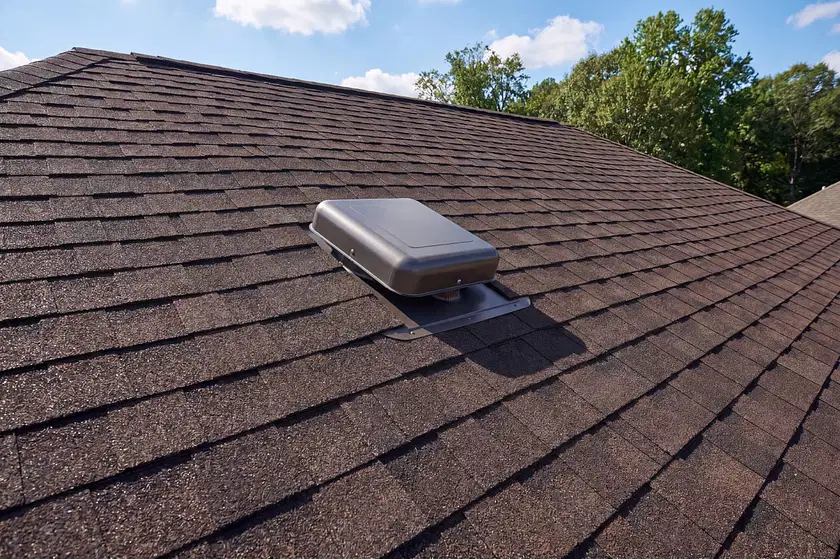
How Attic Heat Damages Asphalt Shingles
Many of our customers ask us how long a typical roof is expected to last based on the material used. While standard asphalt shingles are engineered to withstand significant weathering, their lifespan plummets when subjected to continuous, extreme heat from underneath.
During a typical summer afternoon, an unventilated attic can reach temperatures exceeding 150 degrees Fahrenheit. This intense, trapped heat bakes the underside of your roof deck and eventually transfers directly into your shingles. This phenomenon accelerates the aging process, causing how attic heat damages asphalt shingles by drying them out so they blister and crack long before the manufacturer warranty expires. Over time, you might notice the edges of your shingles curling upward, which weakens their wind resistance. If you suspect your shingles are suffering from thermal shock, scheduling a professional roof repair early can prevent minor blistering from turning into a major structural failure.
Signs of Poor Attic Ventilation on Your Roof
How do you know if your home is suffering from a lack of airflow? The signs of poor attic ventilation on roof structures are often subtle at first, but they become glaringly obvious once you know what to look for.
First, check your energy bills. If your air conditioning is working overtime to cool down your Florida Room but the space still feels warm, trapped attic heat might be radiating down through your ceilings. Second, look for organic growth. The combination of heat and humidity is a breeding ground for mildew on the underside of your roof decking. Finally, inspect the exterior roofline. Wavy, rippled, or sagging roof decking is a strong indicator of prolonged moisture damage caused by poor ventilation.
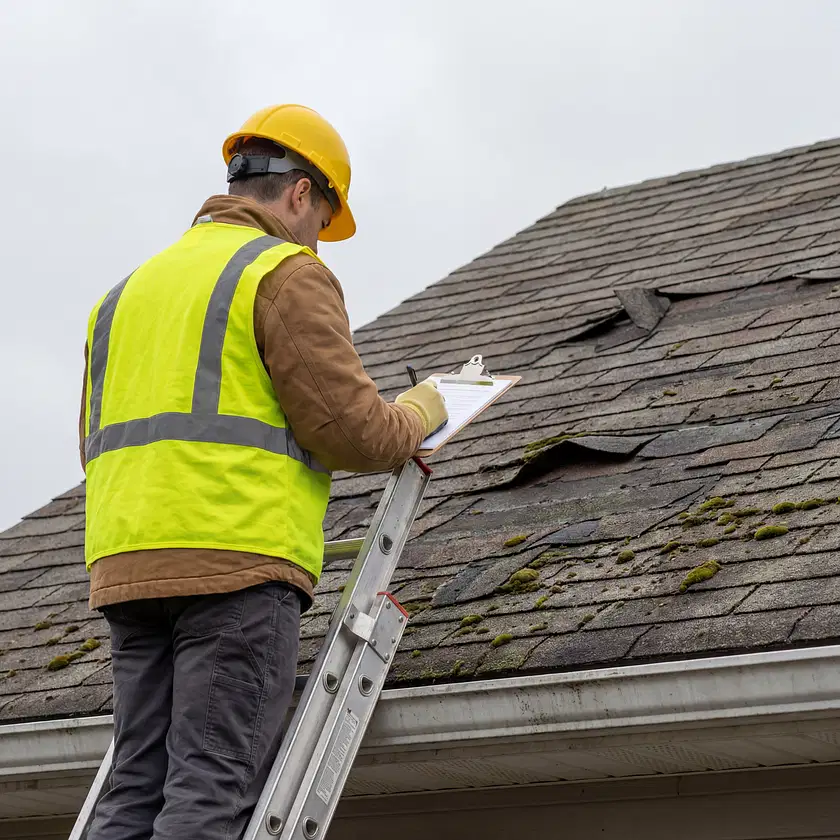
Homeowners often wonder how to know if their roof needs to be repaired or completely replaced. Catching these ventilation issues early is key. By relying on advanced technology like drone-based roof inspections, our licensed team can accurately assess your ventilation without causing unnecessary disruption to your property, providing transparent and accurate estimates without the guesswork.
Balancing Ridge Vents and Soffit Airflow
Effective attic ventilation is not just about cutting a hole in the roof and letting air out; it is a calculated system that requires a perfect balance of intake and exhaust. This is where balancing ridge vents and soffit airflow becomes absolutely essential for the health of your home.
Soffit vents, located under the eaves of your roof, act as the intake. They draw cool, fresh air from outside into the lowest part of your attic space. As that air warms up, it naturally rises and exits through the exhaust vents, typically ridge vents installed along the peak of the roof. This continuous cycle flushes out hot, moist air.
If you have too much exhaust and not enough intake, your roof might start pulling air from your air-conditioned living spaces. Conversely, if you have intake without adequate exhaust, the air simply stagnates. Today, many homeowners are pairing upgraded ventilation systems with eco-friendly cooling solutions, such as cool roofs that reflect UV rays. When we handle a complete roof installation, our team meticulously calculates the necessary net free area to ensure your entire system works in perfect harmony, keeping your manufacturer warranties intact.
Protect Your Investment with Routine Care
Your roof is one of the most significant investments you will make in your property, and maintaining proper airflow is the secret to maximizing its lifespan. Not only does good ventilation protect your shingles and roof decking before the harsh winds of Hurricane Season arrive, but it also improves your home's energy efficiency, lowering utility bills for your family.
In an industry where fly-by-night contractors often promise quick fixes without looking at underlying issues like ventilation, working with an established, local contractor guarantees your workmanship warranties will hold up when you need them most. Do not wait until you are dealing with a major leak or premature shingle failure.
A proactive approach saves money and provides total peace of mind. If you are unsure about the state of your attic's airflow, scheduling a professional roof maintenance tune-up is the perfect place to start. At Wolves Roofing Inc, we are fully licensed, insured, and committed to protecting our local community. Contact us today to ensure your roof is breathing easy and built to last.