Essential Hurricane Season Roof Inspection Checklist
Living in the Sunrise City means enjoying beautiful weather, stunning beaches, and a relaxed coastal lifestyle. However, it also means we have to stay vigilant and prepared for the inevitable hurricane season. For homeowners in Fort Pierce, protecting your property starts at the very top. Your roof is your home's first line of defense against extreme weather, and ensuring it is in peak condition before the storms arrive is absolutely critical.
Many homeowners wait until a storm is brewing in the Atlantic to start thinking about their roofs. By then, local contractors are often booked solid, and securing materials can become a logistical nightmare. Taking a proactive approach not only gives you peace of mind but can also save you thousands of dollars in preventable water damage.
Whether you have an older home in White City or a newer build, understanding how to evaluate your roof's health is the key to weathering the season safely. This comprehensive guide will walk you through the essential steps for preparing your roof for high wind events, navigating complex insurance requirements, and knowing when it is time to call in the professionals for a thorough Roof inspection.
Understanding Florida Insurance and Wind Mitigation
Before climbing a ladder or grabbing a pair of binoculars, it is important to understand the administrative side of your roof's health. Recent updates to Florida property insurance roof replacement laws have made it more challenging for homeowners to maintain affordable coverage, especially if their roof is nearing the end of its expected lifespan. Insurance companies are increasingly strict about roof age and condition, often requiring proof of recent inspections or upgrades to renew policies.
This is where hurricane wind mitigation inspection requirements come into play. A wind mitigation inspection evaluates how well your home is equipped to withstand strong winds. Inspectors look at the roof shape, the materials used, how the roof deck is attached, and the presence of secondary water resistance. Upgrading these components or simply having documented proof that your roof meets current Florida Building Codes can result in significant discounts on your homeowner's insurance premiums.
If you are unsure about your roof's compliance, scheduling a professional evaluation early in the year is a smart financial move. Not only does it help you secure better insurance rates, but it also provides a clear roadmap for any necessary upgrades before the severe weather hits.
The Homeowner's Pre-Season Inspection Checklist
While a professional assessment is always recommended, there are several things you can look for safely from the ground to gauge your roof's readiness. Grab a pair of binoculars and walk around the perimeter of your home, paying close attention to the following areas:
1. Examine the Shingles or Tiles
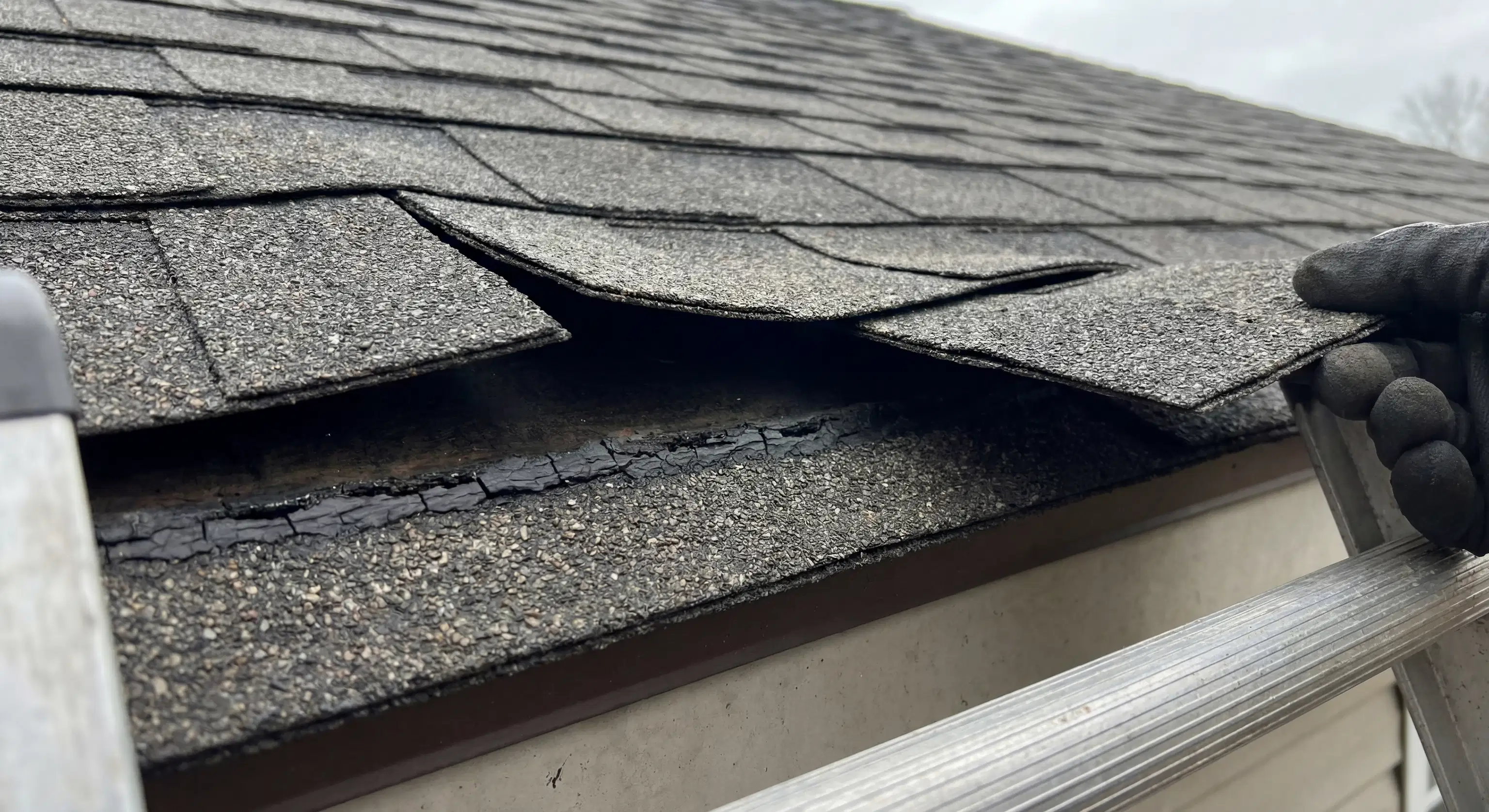
Identifying storm damage on shingles from previous weather events is a crucial first step. Look for shingles that are cracked, curling at the edges, or completely missing. If you have an asphalt roof, check your gutters for an excessive accumulation of granules, which indicates that the shingles are deteriorating and losing their protective coating.
If your home features a classic Tile Roof, scan for cracked, sliding, or missing tiles. Even a single compromised tile can allow water to penetrate the underlayment, leading to significant leaks during a torrential downpour.
2. Inspect Roof Flashing and Seals
Flashing is the metal material used to direct water away from critical areas of the roof, such as chimneys, vents, and skylights. Over time, the harsh Florida sun and constant exposure to Salt Air can cause the sealant around these areas to dry out, crack, or peel away. Ensure that all flashing is flush against the roof and that the caulking remains intact.
3. Clear Gutters and Downspouts
Your roof's drainage system is just as important as the roofing material itself. Clogged gutters cause water to back up under the eaves, which can rot the fascia boards and lead to interior leaks. Make sure all gutters and downspouts are completely clear of leaves, twigs, and debris so that heavy rains can flow freely away from your home's foundation.
4. Check the Attic and Interior Ceilings
Sometimes the most obvious signs of roof trouble are found inside the house. Take a flashlight into your attic during the day and look for any sunlight peeking through the roof boards. Check the insulation for signs of moisture or mold. Additionally, scan the ceilings in your living spaces—particularly in vulnerable areas like a flat-roofed Florida Room—for water stains, bubbling paint, or sagging drywall.
Choosing the Right Materials for Coastal Resilience
If your inspection reveals that a replacement is necessary, selecting the right materials is vital for long-term durability. Many homeowners find themselves weighing the pros and cons of a metal roof vs shingle roof Florida climate considerations.
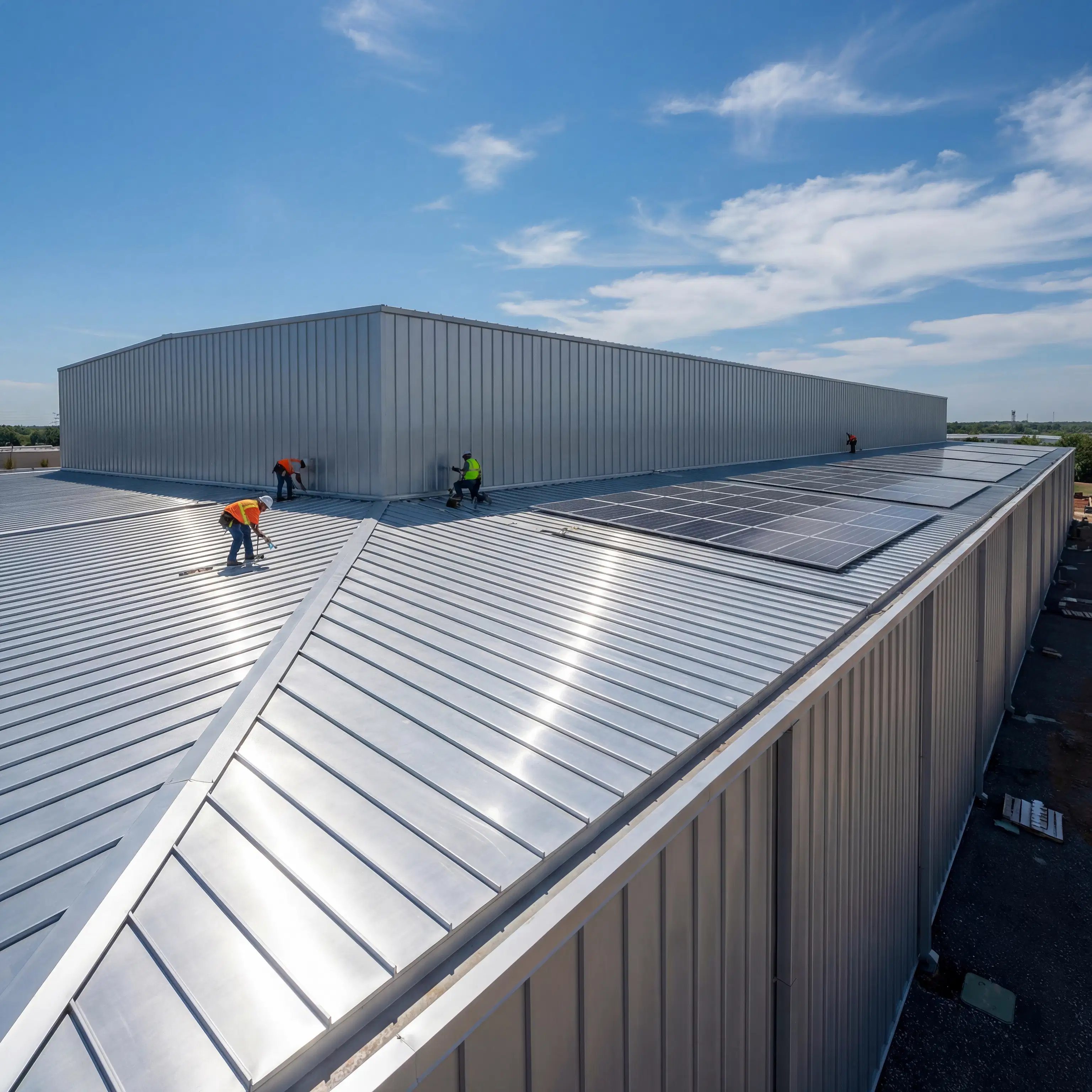
Architectural shingles are a popular and cost-effective choice, offering excellent wind resistance when installed correctly. However, metal roofing has surged in popularity along the coast. Metal roofs offer superior longevity, exceptional wind-load ratings, and high resistance to the corrosive effects of coastal air. Furthermore, modern reflective metal roofs can significantly reduce cooling costs during our sweltering summers by deflecting solar heat.
Today's roofing industry also utilizes advanced technology to ensure precision. Many reputable contractors now use drone inspections and 3D aerial measurement software. This allows for incredibly accurate, contactless estimates and provides homeowners with high-resolution imagery of their roof's condition without anyone ever having to step foot on the tiles.
Post-Storm Action Plan and Avoiding Scams
Even with the best preparation, extreme hurricanes can still cause unexpected damage. If your home sustains a hit, your immediate priority should be preventing further water intrusion. Securing Emergency Roof Repair & Tarping services quickly can save your interior from catastrophic damage. You want to ensure your home is properly protected rather than living under a temporary Blue Tarp for months on end.
Unfortunately, the aftermath of a major storm often brings an influx of out-of-state storm chasers. These unlicensed or unscrupulous operators frequently knock on doors offering incredibly low prices or promising to waive insurance deductibles—a practice that is illegal in Florida. They often perform shoddy work, use subpar materials, and disappear long before their "warranties" expire.
To protect your investment, always work with a licensed, insured, and established local contractor. A local company understands the specific building codes of our region, has established relationships with local suppliers, and will be around to honor their workmanship warranties long after the storm has passed. If you suspect your home has been compromised, reaching out for professional Storm, Wind & Hail Damage Repair from a trusted community roofer is the safest route.
Secure Your Home Before the Storms Arrive
Preparing your roof for hurricane season is not just about protecting a building; it is about safeguarding your family, your belongings, and your financial future. By staying proactive, understanding your insurance requirements, and performing regular visual checks, you can face the storm season with confidence.
Don't wait until the wind starts howling to find out if your roof is up to the task. If you have noticed potential issues during your visual checklist, or if your roof is simply due for a professional evaluation, the team at Wolves Roofing Inc is here to help. We are proud to serve the Treasure Coast with honest assessments, transparent pricing, and top-tier craftsmanship.
Ready to ensure your home is fully protected? Contact us today to schedule your comprehensive inspection and let our local experts give you the peace of mind you deserve this hurricane season.